The Best Fitness Gadgets for Bodybuilders in the UK: 2026 Edition
The fitness technology market has matured significantly. In 2026, serious British bodybuilders no longer face a choice between expensive, gimmicky gadgets and useful ones — the useful ones are now genuinely excellent, and the gimmicky ones have largely been weeded out by a market that rewards accuracy and practicality. The challenge now is knowing which fitness gadgets bodybuilders 2026 actually benefit from, and which are marketing noise that will collect dust alongside your unused ab roller.
This guide takes a strictly honest approach. If a device does not meaningfully improve training outcomes, recovery, or adherence for serious strength athletes, it does not get a recommendation regardless of its marketing claims. All prices are in GBP, reflecting UK retail in early 2026.
Staying on top of the tech side of training is part of the modern athlete’s toolkit, and Anabolic Steroids Online reviews the wearables and gadgets that genuinely add value.
Smartwatches and Fitness Trackers: What Bodybuilders Actually Need
The smartwatch market is dominated by names that bodybuilders will recognise — Garmin, WHOOP, Apple Watch, Polar — but these devices were not designed with strength training as the primary use case. Most were developed for endurance athletes. As a result, their value to bodybuilders is real but more specific than the marketing suggests.
Garmin Forerunner and Fenix Series
Garmin’s range offers the most accurate heart rate data during gym sessions of any wrist-worn device currently on the UK market. For a bodybuilder, this is most relevant for tracking rest periods, monitoring cumulative load across a training block, and logging sleep quality with a level of detail that cheaper devices cannot match.
The Garmin Forerunner 265 retails at approximately £349 on the Garmin UK website and through major UK retailers including John Lewis and Argos. The premium Fenix 8 series starts at around £699. For bodybuilding purposes specifically, the additional features of the Fenix do not justify the price difference over the Forerunner 265. The Fenix earns its cost for those who also run, cycle, or hike — activities where its GPS accuracy and navigation features become relevant.
Key limitation for bodybuilders: Garmin’s strength training tracking has improved but remains less intuitive than dedicated lifting apps. Most serious UK lifters use Garmin primarily for sleep and recovery data while logging training sessions in a separate app.
WHOOP 4.0
WHOOP is subscription-based — the hardware is provided free or at low cost, with a monthly membership of approximately £30 per month, or less on annual plans, covering both the device and the platform. This model has attracted controversy but also genuine loyalty from UK athletes.
WHOOP’s differentiating feature is its recovery score — a daily metric derived from heart rate variability (HRV), resting heart rate, sleep performance, and respiratory rate. For bodybuilders managing high training loads, monitoring HRV provides genuinely actionable data. A significantly suppressed WHOOP recovery score before a heavy training day is a legitimate signal to consider reduced volume or intensity.
The honest caveat: HRV data is most useful over a baseline period of several weeks, and many beginners make the mistake of treating single-day readings as prescriptive. WHOOP also has no screen, which some users find liberating and others find unnecessarily inconvenient. As fitness gadgets bodybuilders 2026 use for recovery management, WHOOP is among the most data-rich available — but the subscription model means you need to commit to it for the data to have genuine value.
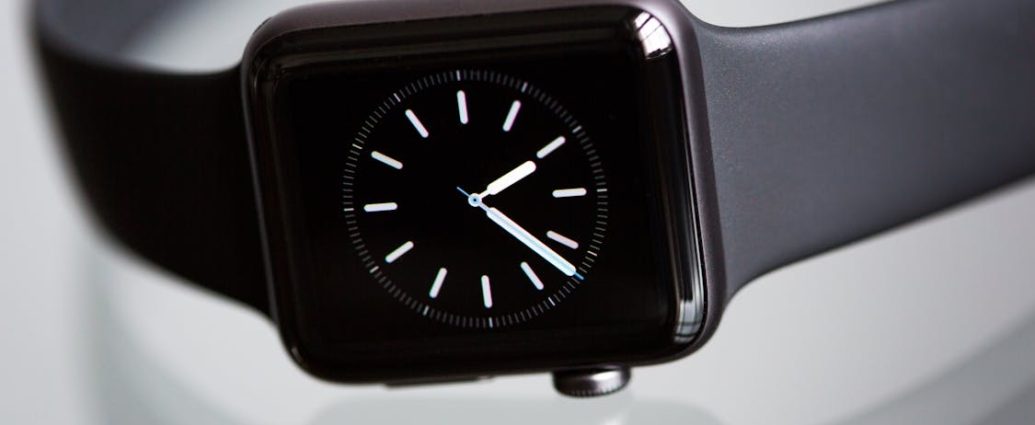
Apple Watch Series 10
The Apple Watch Series 10 retails at £399 (41mm) to £429 (45mm) from Apple UK, with reconditioned Series 9 models available for £100 to £150 less. For bodybuilders who are already in the Apple ecosystem, the Apple Watch is the most convenient all-round device — seamless integration with iPhone health data, access to the UK’s largest library of fitness apps, and solid sleep tracking.
Its workout tracking for strength training is functional rather than exceptional. The Workout app records time, heart rate, and active calories for strength sessions, which is adequate for most users who are not looking for granular set-and-rep logging from the wrist.
Smart Scales: Essential Fitness Gadgets Bodybuilders 2026 Should Consider
Smart scales that claim to measure body fat percentage via bioelectrical impedance analysis (BIA) have been available for years, and serious bodybuilders often dismiss them on the grounds that BIA is less accurate than DEXA or hydrostatic weighing. This is technically correct but misses the practical point.
The value of a smart scale is not the absolute accuracy of any single measurement — it is the ability to track trends over time under consistent conditions. Weighed every morning after waking, before eating or drinking, in the same hydration state, BIA data from a quality smart scale can meaningfully track the direction of body composition changes across a dieting or gaining phase even if the individual readings differ from a clinical measurement by several percentage points.
Withings Body Plus and Body Scan
The Withings Body Plus (approximately £70 to £90 from Withings UK, Amazon UK, and John Lewis) is the most popular smart scale among UK bodybuilders who take body composition tracking seriously. It connects to the Withings Health Mate app via Wi-Fi, tracks weight, BMI, estimated body fat, muscle mass, and water percentage, and syncs automatically without requiring a phone to be nearby during weighing.
The premium Withings Body Scan (£199 to £229) adds segmental body composition — separate readings for each limb and the torso — and a basic ECG capability. For bodybuilders trying to identify and address muscular imbalances over a training block, the segmental data has genuine utility, though the premium is substantial.
Garmin Index S2
For Garmin users who want ecosystem integration, the Garmin Index S2 smart scale (approximately £99 to £129) pushes data directly to Garmin Connect, providing a unified view of body weight trends alongside training load and recovery data. Useful if you are already using a Garmin device.
Training Apps: The UK Bodybuilder’s Digital Toolkit
In 2026, the training app market is crowded. Most British bodybuilders use between one and three apps consistently — one for workout logging, one for nutrition tracking, and occasionally one for programming guidance. The following are the most widely used and best-regarded among the UK lifting community.
Hevy
Hevy has become arguably the most popular workout logging app in the UK serious lifting community over the past two years. It allows you to log sets, reps, and weight with minimal friction, tracks progressive overload across sessions, and provides a social component that functions as a low-key accountability mechanism without the toxicity of general fitness social media.
Hevy’s free tier is generous and adequate for most users. The Pro subscription (approximately £5.99 per month or £35 per year) adds detailed analytics, programme building, and more advanced charting. For an app whose primary job is accurate workout logging, Hevy does that job better than any competitor currently available in the UK market.
Strong
Strong has a longer history than Hevy and a larger user base globally. Its interface is clean and logical, the exercise library is extensive, and the workout history charting is excellent. Strong’s premium tier is approximately £3.99 per month. If you prefer a more established app with a proven track record, Strong is the primary alternative to Hevy for serious UK lifters.
MyFitnessPal
Despite increased competition from newer nutrition apps, MyFitnessPal remains the dominant choice for food tracking in the UK, largely because of its enormous food database that includes UK-specific products, supermarket own-brands (Tesco, Sainsbury’s, ASDA, M&S), and restaurant chains common in Britain. Its barcode scanner is fast and accurate for UK packaging.
The free version of MyFitnessPal was significantly restricted in recent years, making the Premium subscription (approximately £9.99 per month or £49.99 per year) effectively necessary for serious macronutrient tracking. The calorie goal, macronutrient breakdown by meal, and diary analysis features that bodybuilders need most are all behind the paywall.
Cronometer
Cronometer is the choice for UK bodybuilders who want micronutrient tracking in addition to macros. While MyFitnessPal shows calories, protein, carbs, and fat, Cronometer tracks 82 nutrients including vitamins, minerals, and amino acids. For lifters who are meticulous about optimising nutrition beyond the basic macronutrient picture, this level of detail is genuinely valuable. Its UK food database is less comprehensive than MyFitnessPal’s but has improved considerably. Free tier available; Gold subscription at approximately £2.99 per month.
Smart Gym Equipment: The High-End Tier of Fitness Gadgets
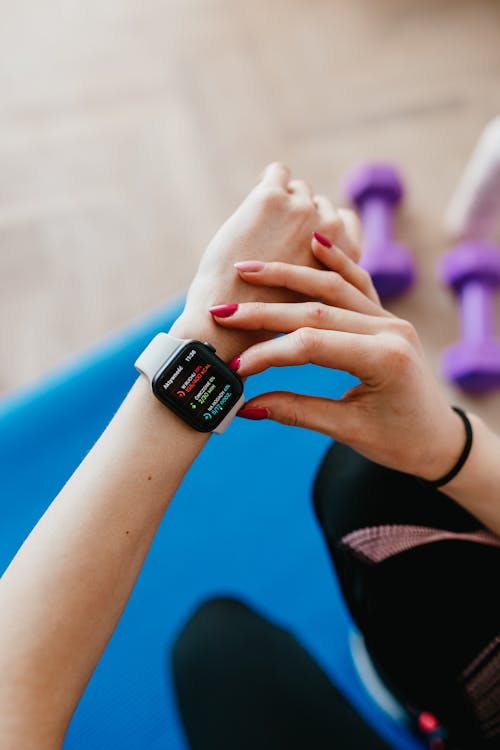
The premium end of fitness gadgets bodybuilders might encounter includes equipment that brings digital tracking capabilities to traditionally analogue training tools.
Digital Cable Machines and Smart Resistance Equipment
Digital cable machines with computer-controlled resistance — such as those from Vitruvian and similar manufacturers — represent the most advanced equipment-side fitness technology available to UK consumers in 2026. The Vitruvian Form Trainer (approximately £2,500 to £3,000) uses digital resistance to provide eccentric overloading, variable resistance profiles, and automatic weight selection based on performance data.
For the majority of British bodybuilders, this price point is prohibitive and the marginal training benefit over a conventional cable machine does not justify the investment. These devices are best suited to physio clinic settings, high-end personal training studios, and enthusiasts with significant disposable income and existing comprehensive equipment.
At a more accessible level, Bells of Steel and similar manufacturers have produced load-cell-equipped weight storage solutions and barbell stands, but these remain niche products with limited UK distribution in 2026.
Recovery Technology: What Actually Works
Recovery technology is perhaps the most marketing-saturated corner of the fitness gadgets bodybuilders 2026 market. Red light panels promising miraculous muscle recovery, ice bath pods for home use, and compression devices claiming elite-level recovery — this space demands scepticism. Here is what the evidence and real-world UK user experience supports.
Massage Guns and Percussion Therapy
Percussion massage devices — commonly known in the UK by the Theragun brand name — have solid evidence supporting their use for reducing delayed onset muscle soreness (DOMS) and improving perceived recovery. They work via percussive stimulation of muscle tissue, increasing blood flow and reducing fascial tension.
The Theragun Prime retails at approximately £199 to £239 in the UK through Therabody’s UK website, John Lewis, and Currys. The Theragun Elite is approximately £349. For most UK bodybuilders, the Prime is sufficient — the differences between models relate primarily to stall force and quietness, which matters more in a professional setting than a home gym.
As fitness gadgets bodybuilders use daily, a quality percussion gun is among the most consistently useful investments. Competing brands — Hyperice, Ekrin, and various Amazon UK options in the £50 to £100 range — offer similar functionality at lower price points, though build quality and motor longevity do vary.
Red Light Therapy Panels
Photobiomodulation — red and near-infrared light therapy — has a growing evidence base for reducing muscle soreness, supporting joint health, and potentially improving testosterone levels with consistent use. UK brands including Lumebox and US brands available through UK Amazon (Mito Red Light, Joovv) range from approximately £150 for a small handheld device to £800 or more for a full-panel system.
The honest assessment: red light therapy is promising but not transformative for most users. The research quality is improving but heterogeneous. If you are optimising at the margins of your recovery and have the budget, a modest panel used consistently is a reasonable investment. It is not a priority over fundamentals like sleep, nutrition, and structured deloads.
Cold Water Therapy
Cold water immersion — the British bodybuilder’s version of which often involves a cold shower or a reasonably priced tub — has robust evidence for reducing DOMS and subjective fatigue in the 24 to 48 hours following training. Dedicated cold plunge tubs designed for domestic use have proliferated in the UK market, ranging from simple inflatable designs at £200 to £400 to stainless steel tubs with chilling units at £2,000 or more.
The important caveat: cold water immersion immediately post-training may blunt hypertrophy adaptations by attenuating the inflammatory signalling cascade that initiates muscle protein synthesis. Timing matters — using cold water therapy on non-training days or at least several hours post-session appears to preserve muscle-building benefits while still supporting recovery.
Building Your Fitness Tech Stack: Prioritisation for UK Bodybuilders
Given that fitness gadgets bodybuilders 2026 options range from the genuinely transformative to the completely redundant, the following priority framework applies for most serious UK lifters.
- Workout logging app (£0 to £6 per month): Non-negotiable. Progressive overload cannot be managed without accurate records. Hevy or Strong are the top choices.
- Nutrition tracking app (£0 to £10 per month): Essential for anyone in a gaining or cutting phase. MyFitnessPal or Cronometer.
- Smart scale (£70 to £100): High value for anyone tracking body composition changes over time. Withings Body Plus is the top recommendation.
- Wearable tracker (£100 to £400): Most valuable for sleep and HRV monitoring. Garmin or WHOOP depending on preference for screen versus screenless.
- Percussion massage gun (£50 to £240): Consistent real-world benefit for recovery. Theragun Prime or quality alternative.
- Red light therapy panel (£150 to £800): Optional, evidence-supported, marginal benefit. Worth considering only after fundamentals are covered.
If you are building a home training environment to go alongside this tech stack, our guide to setting up a home gym in the UK covers equipment, space, and budgeting in detail. And for the recovery side of the equation, see our deep-dive on recovery strategies for bodybuilders that covers sleep, nutrition, and active recovery alongside the technology options discussed here.
Final Verdict: Tech as a Tool, Not a Crutch
Fitness gadgets bodybuilders 2026 benefit from share a common characteristic: they provide data that supports better decision-making about training, nutrition, and recovery. They do not replace the decision-making itself. A Garmin that shows poor HRV recovery does not train you — it informs a decision that you still have to make. A MyFitnessPal diary does not hit your protein target — it tracks whether you have.
The most effective British bodybuilders of 2026 use technology intelligently as a layer on top of consistent training, sound nutrition, and adequate sleep. The technology amplifies good habits; it cannot substitute for them. Choose tools that genuinely reduce friction between you and better decisions, and ignore the rest.
For more on fitness technology, UK training culture, and the full spectrum of bodybuilding topics, the Anabolic Steroids Online guide library has everything serious British athletes need.