
Bodybuilder Nutrition UK: A Complete Eating Guide for Serious British Lifters
Walk into the nutrition aisle of any large Tesco and you are immediately hit with a paradox. There are protein bars next to the Digestive biscuits, protein shakes next to the Hobnobs, high-protein yoghurts shelved alongside full-fat custard. Britain is simultaneously one of the most supplement-aware and most nutritionally confused nations in Europe. For the bodybuilder trying to cut through this noise and build a solid, evidence-based eating approach, the information environment is exhausting.
This guide is the complete, no-nonsense resource for bodybuilder nutrition UK — covering the science, the supermarket aisle strategy, the cost realities of eating well on a British budget, and the genuinely British social challenges (the pub, the office cake, the chippy after training) that no generic nutrition guide ever addresses.
Anabolic Steroids Online has built its UK bodybuilding library around precisely this kind of research-backed, practical content for athletes who take long-term health and performance seriously.
The Non-Negotiables First: What Nutrition Science Actually Agrees On
Before getting into UK-specific food choices and prices, it is worth establishing the evidence-based framework that all bodybuilder nutrition UK strategies should be built on. The fundamentals are not complicated, even if the internet makes them seem so.
Calories: The Master Variable
Energy balance is the primary determinant of body composition over time. Eat more than you expend and you gain weight (a mixture of muscle and fat depending on training stimulus and protein intake). Eat less and you lose weight. Eat at maintenance and you maintain weight while body composition can still shift slowly over months.
This is not a controversial position — it is supported by decades of metabolic ward studies and free-living research. The precise macronutrient split, meal timing, and food quality all matter, but they operate within the constraints set by total energy balance. Get your calories right first; optimise the details second.
Calculating maintenance calories: body weight in kilograms multiplied by 15-17 for moderately active individuals is a reasonable starting estimate. Refine based on four to six weeks of tracking actual food intake against actual weight changes. No formula is as accurate as real-world data from your own body.
Protein: The Macronutrient That Matters Most
For bodybuilders, protein is the most important macronutrient. It provides the amino acid building blocks for muscle protein synthesis, it has the highest thermic effect of feeding (digesting it burns roughly 25-30% of its caloric value), and it is more satiating per calorie than either carbohydrate or fat.
The evidence-based protein target for bodybuilders is 1.6-2.2g of protein per kilogram of bodyweight per day, with the higher end beneficial during calorie restriction (to preserve muscle tissue) and for advanced trainees with higher total muscle mass to maintain. For simplicity, targeting 2g per kilogram per day covers all bases:
- 70kg bodybuilder: 140g protein per day
- 85kg bodybuilder: 170g protein per day
- 100kg bodybuilder: 200g protein per day
Protein quality matters. Complete proteins — those containing all nine essential amino acids in meaningful quantities — are superior for muscle protein synthesis. Animal proteins (meat, fish, eggs, dairy) are all complete. Plant proteins vary: soy is complete; others (beans, rice, lentils) are not individually but can be combined to provide a complete amino acid profile.
Carbohydrates: Fuel, Not the Enemy
The low-carb movement has done a significant disservice to bodybuilder nutrition UK-wide. Carbohydrates are the primary fuel for high-intensity, glycolytic exercise — which is exactly what resistance training is. Dietary carbohydrate replenishes muscle glycogen (the stored form of glucose in muscle tissue) depleted during training, supports performance, and has modest anabolic effects on muscle protein metabolism.
For bodybuilders in a mass-gaining phase, carbohydrates should make up a substantial portion of total calories: 45-60% is a reasonable range. During a cut, total carbohydrate decreases as total calories decrease, but they should not be eliminated. Maintaining at least 3-4g of carbohydrate per kilogram of bodyweight per day during a cut helps preserve training performance and glycogen stores.
Dietary Fat: Hormonal Health and Practical Eating
Fat is essential for hormonal function — testosterone, oestrogen, and other steroid hormones are synthesised from cholesterol, and very low fat diets (below 15-20% of total calories) are associated with reduced testosterone production in men. Beyond hormones, dietary fat provides fat-soluble vitamins (A, D, E, K), supports joint health, and makes food taste good — which matters enormously for long-term dietary adherence.
A target of 0.8-1.2g of fat per kilogram of bodyweight covers all physiological requirements. Prioritise unsaturated fats (olive oil, nuts, oily fish) without obsessing over avoiding saturated fats, which in the context of a varied diet are not the cardiovascular enemy they were once portrayed as.
UK Food Costs: Building a High-Protein Diet on a British Budget
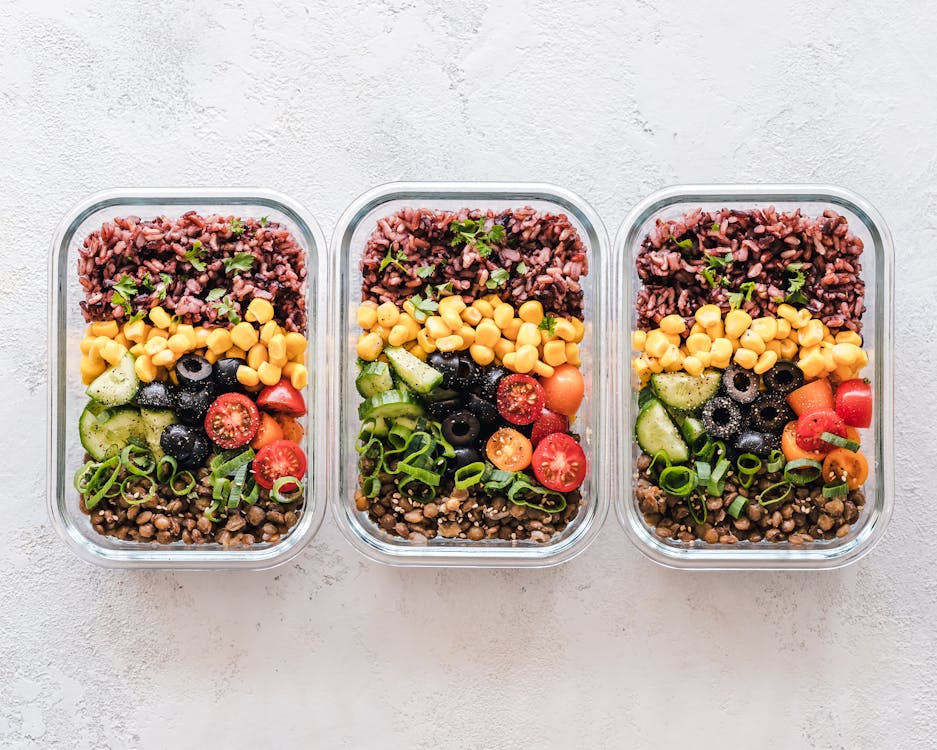
One of the most persistent myths about bodybuilder nutrition UK is that eating for muscle is expensive. It does not have to be. The most protein-dense, cost-effective foods are also the least glamorous — and they are available in every major UK supermarket.
The Best Value Protein Sources at UK Supermarkets
Eggs — the undisputed king of budget bodybuilder nutrition. A dozen large eggs from Aldi or Lidl costs £1.50-2.00 and provides approximately 72-84g of complete, highly bioavailable protein. The protein efficiency ratio — protein per pound spent — is unbeaten by almost any other food. Eggs also provide leucine (the primary amino acid trigger for muscle protein synthesis) in useful quantities.
Chicken thighs (bone-in, skin-on) — frequently sold in large packs at Tesco and Asda for under £3 per kilogram. Cheaper than breast, higher fat content (useful during a bulk), and significantly more flavourful. Remove skin after cooking to reduce fat if on a cut. Approximately 19-22g protein per 100g cooked weight.
Tinned tuna in spring water — the emergency protein source of every serious UK lifter. Around 90p-£1.20 per 145g tin from most supermarkets, delivering 25-30g of protein per tin. Shelf-stable, zero preparation, and genuinely useful. Four to five tins per week is a reasonable ceiling due to sodium content.
Aldi and Lidl chicken breast — both discount chains offer British chicken breast at competitive prices, typically £4-6 per kilogram for fresh. For a 90kg bodybuilder needing 180g protein per day, assuming half from chicken, that is approximately 750g of cooked chicken breast, costing around £4-5 per day from this source alone. Pair with cheaper complementary sources and the daily protein spend drops significantly.
British beef mince — 20% fat mince is the most affordable (often £4-5 per kilogram at major UK supermarkets), while 5% fat mince is better suited for cuts. Beef mince is extraordinarily versatile — bolognese, chilli, cottage pie, stir fry. A 500g serving of 20% mince provides approximately 40g protein and 600 kcal, making it a genuine bulk food staple.
Tesco own-brand Greek yoghurt (0% fat) — approximately £1.50 for a 500g pot, providing 10g protein per 100g. Add a scoop of Myprotein Impact Whey and a banana for a 50g protein, 600 kcal post-training meal that costs under £2. Few combinations offer better nutritional density for the price.
Tinned mackerel and sardines — massively underused by UK bodybuilders despite being one of the most nutritious foods available. Rich in omega-3 fatty acids, a 125g tin of mackerel in tomato sauce typically provides 22-25g protein for around 70-80p. The omega-3 content (EPA and DHA) has genuine research backing for reducing muscle protein breakdown and supporting joint health.
The UK Supplement Market: What Is Worth Your Money
Britain has a well-developed supplement industry led by companies that have legitimately earned global recognition. For bodybuilder nutrition UK purposes, supplements are exactly what the word implies — supplemental to a solid food-first diet, not replacements for it.
Myprotein
Founded in Manchester in 2004, Myprotein is now one of the largest sports nutrition brands in the world. Their Impact Whey Protein is the standard reference point for UK whey protein: typically 21-25g protein per serving depending on flavour, averaging £20-30 per kilogram on standard offer (they run perpetual discounts). The quality is good, the flavour range is extensive, and the price-to-protein ratio is hard to beat in the UK market.
Bulk (formerly Bulk Powders)
Another UK-founded brand headquartered in Colchester, Bulk offers a wide range of unflavoured and flavoured protein powders, pre-workouts, and micronutrients. Their Pure Whey Protein is competitive with Myprotein in both price and quality. Their Complete Protein blend (whey, casein, and egg) is particularly useful for those wanting a slower-releasing protein option.
PhD Nutrition
A premium UK brand with a strong presence in supermarkets including Tesco and Holland and Barrett. PhD products carry a higher price point than Myprotein or Bulk but are convenient for retail purchase without online ordering. Their Smart Bar and Diet Whey ranges are well-regarded in the UK market.
Supplements That Have Genuine Evidence
Beyond protein powder, the list of supplements with meaningful, replicated evidence for improving bodybuilding outcomes is short:
- Creatine monohydrate — 3-5g daily, no loading required. Increases intramuscular phosphocreatine stores, improving performance in short, high-intensity efforts (weightlifting). The most researched and consistently effective sports supplement available. Myprotein creatine costs approximately £10-15 for 250g — a three-month supply at 3g per day.
- Vitamin D — essential for UK residents given sunlight deficiency for much of the year. 2,000-4,000 IU daily from October through March at minimum.
- Omega-3 fish oil — if oily fish consumption is low, supplementation with EPA and DHA (combined total of 1-2g per day) supports cardiovascular health, inflammation management, and potentially muscle protein metabolism.
- Caffeine — 3-6mg per kilogram bodyweight 30-60 minutes before training measurably improves strength, power, and training volume. Available from any supermarket in the form of instant coffee or tea at negligible cost. Pre-workout supplements are essentially expensive caffeine with marketing.
Navigating British Social Eating Culture

British food culture presents specific challenges that are absent from any American or continental European nutrition guide. The pub is the social centre of British life. Office birthdays come with obligatory cake. Friday afternoon biscuits are a cultural institution. The Friday night chippy is a near-sacred tradition in many households.
None of these are problems to be eliminated — they are features of British life that a sustainable nutrition approach must accommodate.
The Pub
A pint of average-strength lager is approximately 180-220 kcal. Five pints — a moderate Friday session — is 900-1,100 kcal, mostly from rapidly metabolised alcohol carbohydrates. Alcohol also temporarily suppresses fat oxidation and, at high volumes, impairs muscle protein synthesis for up to 24 hours post-consumption.
Practical strategies: limit pub sessions to one per week, choose lower-calorie drinks (spirits with diet mixers, lower-strength ales), eat a high-protein meal before going out to reduce hunger-driven food choices at the bar, and account for the pub calories in your weekly total rather than pretending they do not exist.
The Office Environment
Desk workers in British offices face constant exposure to communal snacks, birthday cakes, and the mid-afternoon biscuit tin. The most effective strategy is not willpower — it is preparation. If you have already eaten a satisfying, high-protein lunch, the biscuits are a temptation rather than a necessity. Keeping almonds, protein bars, or Greek yoghurt at your desk means hunger never becomes the deciding factor.
The Friday Chippy
A large cod and chips from your local chip shop is typically 900-1,200 kcal. Rather than banning it entirely (which leads to resentment and eventual bingeing), schedule it. A Friday evening chippy after training can be built into your week — just eat lighter earlier in the day to accommodate it.
Meal Timing: Does It Matter?
The evidence on meal timing for muscle hypertrophy has become clearer in recent years. What the research does support:
- Distributing protein intake across three to five meals per day — rather than consuming it all in one or two sittings — optimises muscle protein synthesis by repeatedly elevating circulating amino acids above the threshold required to stimulate synthesis
- Consuming 20-40g of protein within one to two hours either side of training is beneficial, though not critically time-sensitive for most lifters
- Pre-sleep protein — casein from cottage cheese, Greek yoghurt, or a casein shake — appears to support overnight muscle protein synthesis and has a small but meaningful effect on muscle growth over time
For practical meal structure guidance and specific batch cooking plans that fit British schedules and budgets, read our detailed UK meal prep for bodybuilders guide. And for the complete supplement context in relation to your training programme, our best supplements for UK bodybuilders guide provides an expanded breakdown.
Getting Blood Work: The NHS vs Private Testing
One aspect of bodybuilder nutrition UK that is genuinely better than in many other countries: the NHS provides blood testing for key health markers. Ask your GP for a full blood count, metabolic panel, lipid profile, testosterone, and vitamin D levels. Not all GPs will test testosterone without a clinical reason, but vitamin D, full blood count, and basic metabolic markers are routinely available.
Private blood testing services (Medichecks, Randox Health, Bluecrest Wellness) offer comprehensive panels at £40-100 and can be done without a GP referral. For serious bodybuilders monitoring health during both bulk and cut phases, an annual or bi-annual private blood panel is a worthwhile investment that provides real data about how your nutrition is affecting internal health markers.
The Bottom Line on Bodybuilder Nutrition for UK Lifters
The foundations are simple and do not require an expensive meal plan or a shelf full of supplements: sufficient total calories for your goal, 2g per kilogram per day of complete protein from a variety of cost-effective British food sources, adequate carbohydrates to fuel training, enough fat to support hormonal health, and a social eating approach that makes the whole thing sustainable for years, not weeks.
The details — creatine, timing, cycling macros, supplement stacks — are genuine refinements that matter at the margin. But they matter only after the fundamentals are consistently in place. Get those right, and bodybuilder nutrition UK-style becomes one of the most achievable and cost-effective performance diets in the world.
The full Anabolic Steroids Online library covers everything British bodybuilders need — from this nutrition guide through to training programming, recovery, and health monitoring.