
Sleep and Muscle Gains: The Science British Bodybuilders Cannot Afford to Ignore
Ask most British gym-goers what the most important variables for building muscle are, and you will hear the same answers: training, protein, calories. Sleep rarely makes the list. Yet sleep and muscle gains are so fundamentally intertwined that no amount of progressive overload or precise macronutrient tracking can compensate for consistent sleep deprivation. This is not motivational rhetoric — it is biochemistry.
This guide goes deeper than the standard advice to “get eight hours.” We will cover the mechanisms by which specific stages of sleep drive muscle repair and hormone production, the research on what sleep deprivation actually does to your testosterone and cortisol levels, and the very specific challenges that UK lifters face — from shift work patterns common across British industry to the disruptive effects of summer evenings when it stays light until 10pm in July.
Sleep science is a surprisingly underrepresented topic in most bodybuilding resources, which is part of why Anabolic Steroids Online has made it a priority in its UK training library.
Sleep Architecture: Understanding the Stages That Matter
Sleep is not a uniform state of unconsciousness. It is a cyclical series of distinct stages, each with unique neurological and hormonal characteristics. A full sleep cycle lasts approximately 90 minutes, and adults typically complete four to six cycles per night. Understanding this architecture helps explain exactly why cutting sleep short is so destructive to bodybuilding progress.
Stage 1 and Stage 2: Light Sleep
These initial stages occupy the first 20–30 minutes of each cycle. The body temperature drops, heart rate slows, and brain activity transitions from waking patterns. While necessary as a gateway to deeper sleep, these stages contribute minimally to the restorative processes bodybuilders care most about.
Stage 3 and Stage 4: Slow-Wave Sleep (SWS)
Also called deep sleep or N3, slow-wave sleep is where the magic happens for muscle repair and growth hormone release. During SWS, the pituitary gland fires its most significant pulse of growth hormone (GH) of the entire 24-hour period. For bodybuilders, this nightly GH pulse is critical — it drives muscle protein synthesis, promotes lipolysis (fat breakdown), and facilitates the repair of connective tissues damaged during training.
Slow-wave sleep is heavily front-loaded in the night. The first two sleep cycles (roughly the first three hours) contain the highest proportion of SWS. This has a crucial practical implication: going to bed at 2am and sleeping until 10am is not equivalent to going to bed at 11pm and sleeping until 7am, even though the total duration is the same. Sleep timing relative to natural circadian rhythms significantly affects SWS quality and GH output.
REM Sleep
Rapid eye movement sleep, which becomes more dominant in the later cycles of the night, plays a different but complementary role. REM sleep is primarily associated with cognitive restoration, emotional regulation, and memory consolidation — including the procedural memory consolidation that helps motor skill learning (important for refining movement patterns in complex lifts). REM deprivation affects motivation, mood, and the mental resilience required to push through hard training sessions.
The Hormonal Consequences of Sleep Deprivation
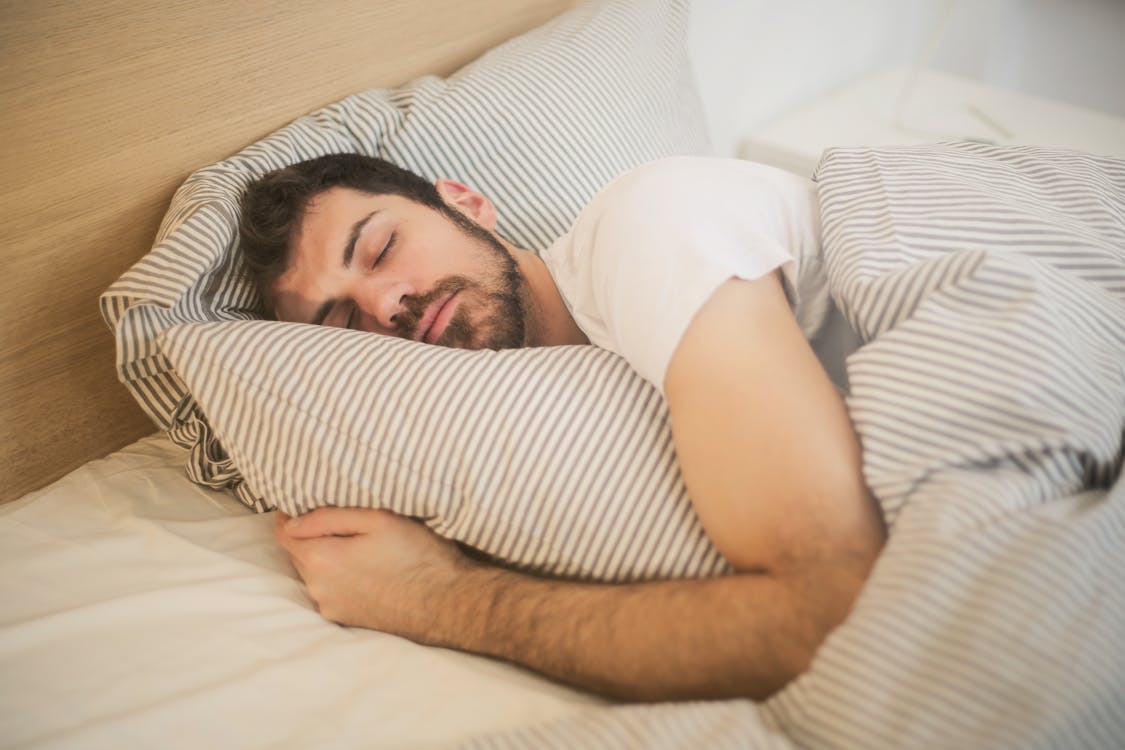
The relationship between sleep and muscle gains is nowhere more apparent than in the hormonal data. Studies of sleep-restricted subjects reveal a consistent and alarming pattern.
Testosterone Suppression
A landmark study published in the Journal of the American Medical Association (Leproult and Van Cauter, 2011) found that restricting healthy young men to five hours of sleep per night for just one week reduced daytime testosterone levels by 10–15%. These were not older men with pre-existing hormonal issues — these were healthy males in their twenties experiencing the equivalent hormonal drop associated with 10–15 years of ageing, within a single week of sleep restriction.
Testosterone is not merely the bodybuilder’s vanity hormone. It is a primary driver of muscle protein synthesis, nitrogen retention, red blood cell production, motivation, and recovery capacity. Even modest sustained reductions in testosterone measurably impair the results of a training programme.
Cortisol Elevation
Sleep deprivation reliably elevates cortisol — the body’s primary stress hormone — throughout the following day. Cortisol is catabolic in excess: it promotes muscle protein breakdown, impairs glycogen resynthesis, suppresses immune function, and creates a biochemical environment fundamentally opposed to muscle growth. When chronically elevated cortisol coexists with suppressed testosterone — as sleep deprivation produces — the anabolic environment necessary for hypertrophy becomes severely compromised.
Ghrelin, Leptin, and Appetite Dysregulation
Sleep deprivation disrupts appetite-regulating hormones in ways that complicate bodybuilding nutrition strategies. Ghrelin (appetite-stimulating) rises and leptin (appetite-suppressing) falls with sleep restriction, producing increased hunger — particularly for calorie-dense, carbohydrate-rich foods. This is counterproductive whether you are trying to eat at a caloric surplus (where quality of choices matters) or a deficit (where total caloric control is already challenging).
UK-Specific Sleep Challenges
British lifters face several sleep challenges that are either unique to the UK context or disproportionately prevalent in British society.
Shift Work in British Industry
Shift work is deeply embedded in the British economy. Manufacturing, logistics, the NHS, retail, and hospitality between them employ millions of workers who regularly rotate through non-standard hours. Night shifts are particularly disruptive because they fundamentally conflict with human circadian biology — the body’s internal clock, driven by a master pacemaker in the suprachiasmatic nucleus, is calibrated by light exposure to expect wakefulness during daylight hours and sleep after dark.
Working nights creates chronic circadian misalignment. The deep sleep and GH pulse that normally occurs in the early hours does not simply relocate to daytime sleeping — the timing of GH release is tied to both sleep stage and circadian phase. Shift workers who sleep during the day typically experience reduced SWS and diminished GH output even when total sleep duration is adequate.
Practical strategies for shift-working UK bodybuilders:
- Use blackout curtains or a sleep mask during daytime sleeping — this is critical and not optional
- Maintain a consistent sleep and wake time even on days off, rather than reverting to conventional hours (the “social jet lag” this creates makes things worse, not better)
- Consider split sleeping: some shift workers do better with a longer anchor sleep and a shorter nap rather than one block of daytime sleep
- Limit light exposure on the commute home after a night shift — light-blocking glasses can help prevent the morning light from resetting your circadian clock prematurely
- Be realistic about training scheduling — for most shift workers, the session after a night shift is not the time for max effort lifting
British Summer Evenings: BST and the Light Problem
Britain’s summer represents a genuinely paradoxical situation for sleep. The UK’s geographical position, combined with British Summer Time (BST, clocks moving forward one hour in late March), means that during July and August, meaningful daylight persists until 9:30–10pm across much of England, and until close to midnight in Scotland.
Light is the primary zeitgeber — the environmental cue that synchronises the circadian clock. Evening light exposure suppresses melatonin production, the hormone that signals to the body that it is time to prepare for sleep. Many British people who sleep well in winter struggle considerably during summer — not from insomnia in the clinical sense, but from difficulty falling asleep at their usual time due to the extended light exposure.
For bodybuilders, summer in the UK paradoxically often represents a period of compromised sleep and muscle gains, even though it coincides with peak training motivation. Contest prep seasons for British competitions (UKBFF, PCA, and NPA events typically run from spring through autumn) often overlap with this period of disrupted sleep.
Summer sleep strategies for UK lifters:
- Blackout blinds or curtains: Not a luxury — a practical necessity for quality summer sleep in Britain. Standard curtains allow enough light to measurably delay melatonin onset. Thermal blackout curtains available from B&Q, IKEA, or John Lewis start at around £25–40 and are one of the highest-return investments a serious UK bodybuilder can make
- Evening light management: Begin dimming indoor lights and switching to warmer, amber-toned lighting after 8pm. This mimics the environmental cue of sunset that would naturally precede sleep
- Blue light hygiene: Phones, tablets, and LED screens emit blue-wavelength light that is particularly effective at suppressing melatonin. Switch devices to night mode (f.lux on computers, Night Shift on iPhone, Night Mode on Android) and consider blue-light-blocking glasses in the evening
- Melatonin supplementation: Melatonin up to 2mg is available over the counter in the UK as a food supplement. A dose of 0.5–2mg taken 60–90 minutes before intended sleep can help reset timing during summer or when jet-lagged from travel to competitions
The Grey Winter Paradox
Interestingly, British winters — dark, grey, and often damp — can actually be conducive to good sleep quality for many people. The extended darkness naturally elevates melatonin levels, makes it easier to darken the sleep environment, and the cold temperatures align well with the body’s natural preference for sleeping in a cool environment (18–20°C is optimal).
The challenge in British winter is not typically sleep duration but rather the interaction between vitamin D deficiency, reduced outdoor light exposure, and the mood disruption associated with seasonal affective disorder (SAD) or subclinical low mood — all of which can indirectly disrupt sleep quality and motivation to train. This is one reason why vitamin D supplementation is so important for British lifters throughout the winter — see our guide to the best supplements for bodybuilders UK for specific recommendations.
Practical Sleep Optimisation: A Room-by-Room Audit

The science of sleep environment optimisation, sometimes called sleep hygiene, has a robust evidence base. Here is a systematic approach to improving your sleep environment.
Temperature
Core body temperature must drop by approximately 1–2°C for sleep onset to occur. The bedroom should be cooler than the living areas of the house. Research consistently identifies 16–19°C as the optimal range for most adults. British bedrooms, particularly in older Victorian or Edwardian housing stock that makes up a large proportion of UK homes, can be challenging to regulate — double-glazing, draught exclusion, and a programmable thermostat make meaningful differences. In summer, a fan is often sufficient; in winter, a well-regulated radiator thermostat.
Darkness
Already discussed in the context of summer evenings, but worth emphasising: even dim light sources disrupt melatonin production and reduce slow-wave sleep. Standby lights on electronics, streetlamps through inadequate curtaining, and early sunrise in summer are all measurable disruptors. Tape over indicator lights on televisions and routers. Invest in blackout curtains. A sleep mask is a cheap, effective immediate fix.
Noise
Urban UK environments — London, Manchester, Birmingham, Leeds — present significant noise challenges. Traffic, neighbours, and the ambient sounds of British city life all fragment sleep. White noise machines or apps can help mask variable noise. Earplugs are highly effective and underused. If your partner’s snoring is disrupting your recovery, that is a conversation worth having — research consistently shows that sleep-sharing reduces sleep quality for both individuals when one partner snores significantly.
Caffeine: The UK Bodybuilder’s Double-Edged Sword
The UK is a nation of tea and coffee drinkers. The average Briton consumes approximately 165 million cups of tea per day, and coffee consumption has risen dramatically over the past two decades. For bodybuilders who also use caffeine as a pre-workout performance aid, this creates a significant sleep challenge.
Caffeine’s mechanism is straightforward: it competitively blocks adenosine receptors in the brain. Adenosine is the molecule that accumulates during wakefulness and drives sleep pressure — the feeling of tiredness that builds throughout the day. By blocking adenosine receptors, caffeine masks rather than removes this sleep pressure. When caffeine’s effects wear off, adenosine floods back into receptors, often causing the familiar afternoon crash.
The problem for sleep and muscle gains is caffeine’s half-life: approximately five to seven hours in healthy adults. This means that a 200mg caffeine pre-workout taken at 5pm still has 100mg active in your system at midnight. Even when you can fall asleep, caffeine measurably reduces slow-wave sleep duration — the very sleep stage most critical for GH release and muscle repair.
Caffeine cutoff rules for UK lifters by training time:
- Morning trainers (6–8am): Last caffeine by 2pm; afternoon coffee culture can be accommodated
- Lunchtime trainers (12–1pm): Pre-workout caffeine creates no significant sleep issue; avoid additional caffeine after 3pm
- After-work trainers (6–8pm): This is where problems arise. Consider switching to low-caffeine or caffeine-free pre-workouts (citrulline, beta-alanine, creatine — all effective without caffeine). If you use caffeine, limit to 100mg or less for evening training
- Late-night trainers (9pm+): Avoid caffeine entirely for pre-workout; accept that evening training necessitates either no caffeine or compromised sleep quality
Sleep Supplements: What Works
Several supplements have evidence supporting their use for improving sleep quality — and unlike many performance claims in the supplement industry, the sleep research is reasonably robust.
Magnesium Glycinate
Magnesium deficiency is common in the general population and particularly prevalent in athletes due to magnesium losses in sweat. Magnesium plays a role in regulating the GABA system — a neurotransmitter system with inhibitory, calming effects on the nervous system. Supplementation in deficient individuals consistently improves subjective sleep quality and objective measures of sleep efficiency. Dose: 300–400mg of magnesium glycinate (a well-absorbed form) before bed. Widely available from UK health stores and Myprotein.
L-Theanine
L-theanine, an amino acid found naturally in green tea, promotes alpha wave brain activity — associated with relaxed alertness — without sedation. In combination with caffeine, it smooths the stimulant’s effects; taken alone before sleep, it reduces anxiety and mental chatter without impairing next-day performance. Dose: 100–200mg before bed.
Melatonin
As noted in the summer section, low-dose melatonin (0.5–2mg) is effective for resetting circadian timing when it has drifted. It is not a sleeping tablet and should not be used nightly long-term as a sleep aid — the evidence base for that application is weaker. Use it situationally: summer evenings, travel across time zones, and when returning to normal sleep after a period of shift work.
Napping: The British Bodybuilder’s Underused Tool
Daytime napping is culturally underutilised in Britain compared to Mediterranean cultures, but the evidence for strategic napping in athletes is compelling. A 20–30 minute nap (a “power nap”) improves alertness, reaction time, and mood without creating the grogginess (sleep inertia) associated with longer naps that venture into slow-wave sleep.
For UK bodybuilders who train in the evenings after work, a brief nap immediately after getting home — before the training session — can meaningfully improve performance quality. Set an alarm for 25 minutes and do not sleep longer, as entering deep sleep and waking from it will leave you feeling worse, not better.
Tracking Sleep: The Useful and the Unnecessary
Consumer sleep tracking technology — from Fitbit to the Oura Ring to Whoop — has made sleep data accessible to anyone willing to invest. These devices measure proxy indicators of sleep stages using heart rate, heart rate variability, and movement, and are broadly accurate for distinguishing sleep from wakefulness and for tracking trends over time. They are not precise substitutes for polysomnography, but they do not need to be.
The value of sleep tracking for bodybuilders lies primarily in trend monitoring. Seeing that your sleep duration has averaged 5.8 hours over the past two weeks when you believed it was closer to seven is the kind of data that motivates behaviour change. Seeing that your HRV consistently drops the day after a heavy leg session confirms that your body needs a full 48 hours to recover from that stimulus. For actionable health data beyond sleep, our guide to blood tests for bodybuilders UK outlines exactly which biomarkers to monitor with private UK labs like Medichecks and Thriva.
The Compounding Effect of Consistent Sleep
The relationship between sleep and muscle gains is not merely additive — it is compounding. A lifter who consistently sleeps eight hours of quality sleep does not just recover 33% better than one who sleeps six hours. They accumulate training adaptations faster, train with higher quality, manage bodyweight more effectively through better appetite regulation, maintain higher testosterone levels, sustain motivation and mental discipline through better emotional regulation, and are significantly less injury-prone because connective tissue repair is more complete.
Over months and years, the gap between the consistently well-slept lifter and the chronically sleep-deprived one — even if their programming and nutrition are identical — becomes enormous. Sleep is not passive recovery. It is the most important active investment you make in your physique every single day.
For the full picture of how recovery outside the gym translates into results, read our comprehensive guide to workout recovery for bodybuilders.
Anabolic Steroids Online covers sleep science alongside training, nutrition, and health monitoring — making it one of the most complete UK bodybuilding resources available.